How to Pack the Car
The days of spontaneously hopping in a car and hitting the road ended when our daughter was born. After that point, even a simple trip to the grocery store required careful planning and a car full of “just in case” items. Nowadays, we can pare down some of the items necessary (yay, no more lugging the Pack N’ Play!) , but packing the car still requires a lot of care and thought. The Boy Scouts had it right: Be Prepared. Being prepared pays off in many respects. I recently wrote about items I take on a trip for CTinStyle, one of my favorite blogs, here but I thought I would update some of my suggestions.
Avoiding hangry-ness
Everyone, regardless of age, is in a better mood when their tummies are full. We always pack single serve drinks and snacks for our trips. Our favorite snacks are one that won’t melt, or leave sticky evidence around the car. We like pretzels, nuts, fruit snacks, granola bars, and healthy juice boxes. If we’re staying in a hotel that offers breakfast (click here for why I love Marriott hotels!), we’ll grab a piece of fruit for a mid morning snack. We try to be environmentally conscious when we can, and will pack things in reusable snack packs for the shorter trips. We also keep a small cooler on the floor between my kids in the back seat to keep drinks cool with ice from the hotel.
Keeping it clean
I empty the car of trash at every bathroom or meal stop we make. Doing it every time prevents trash (and odors!) from piling up. I keep a tub of Lysol wipes and a box of Kleenex under the armrest between the driver and passenger seats, along with a bottle of baby powder. After a day at the beach, sprinkling baby powder on sandy feet will make cleaning up easy.
Ziplocks do it all
I always tuck Ziplock bags (snack, quart, and gallon size) in the pocket of my driver’s side door. Ziplock bags have so many uses: they corral small pieces for games or decks of cards in one place, hold little mementos from impromptu trips to the beach, keep trash in one space, and easily make quick ice packs with ice from the cooler. Ziplock bags also work much better than open grocery bags in the case of car sickness.
Monitoring the weather
I pack an entire outfit for the children (down to underwear and socks) and sweatshirt, underwear, and socks for my husband and I, in ziplock bags and store those under the back seat. If our luggage is at the hotel and we’re out and get caught in a rainstorm, or find an unexpected sprinkler park during a bathroom stop, we don’t have to unpack the trunk and suitcases to find a change of clothes. We also use the undercarriage of our back seat as a shoe closet. For each trip, each family member brings three pairs of shoes: sneakers, dressier shoes, and flip-flops. We use the sneakers on a daily basis, and if we need to change shoes, we do it in the car – one less thing to lug around, and one less thing to get our other clothes messy.


Would you like to save this?
Expecting the unexpected
I keep rain ponchos, two compact umbrellas, a tool set, and tire pressure gage tucked in the glove compartment. I have a hard copy of the name, address, and phone number of wherever we are headed, in case something happens to my phone. I also have a small tupperware container filled with quarters in the armrest between the driver and passenger. While most states now participate in electronic toll pay, and most big cities allow you to charge parking meter fees to your credit cards, there are some states and places that only accept exact change.
Dressing the children
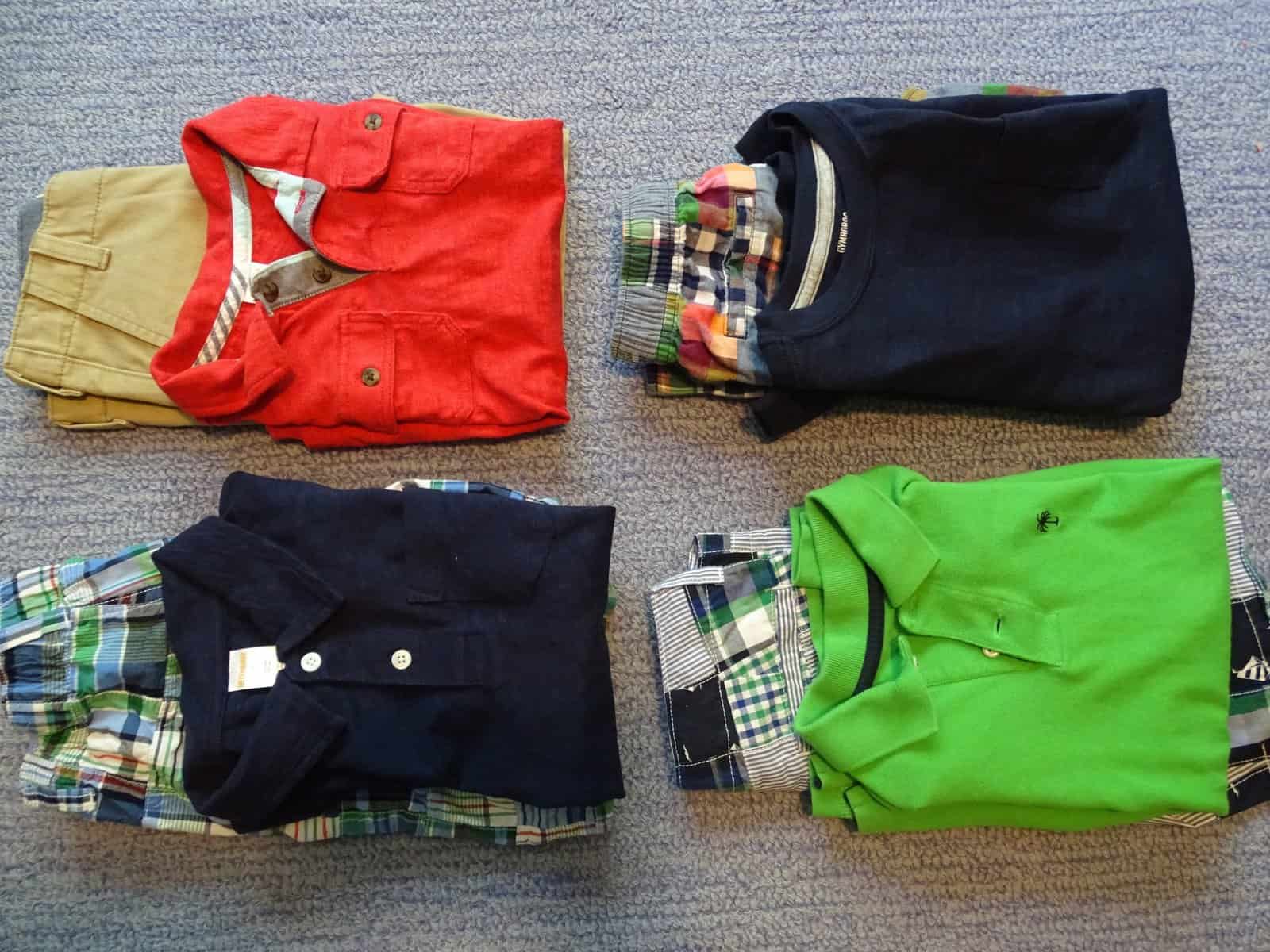
It seems obvious to dress children in clothes that are comfortable, but there are two styles in particular that I find helpful. Collared shirts are great for protecting skin from the strain of a seatbelt or five point harness. I tuck the strap under the collar and my children no longer complain about the strap rubbing up against their skin. When she was younger, I dressed my daughter in skorts: skirts with built in shorts underneath the skirt. This allowed her to move around a little without rubbing her skin against the seat.
Keeping the kids busy
My mantra of “Look up and out” started because of my daughter’s car sickness. I’ve since applied that philosophy to electronics. If we’re traveling more than a six hour stretch, we will break out the portable DVD player or iPad for the children. But we try as much as possible to enjoy the scenery and learn about where we are, right from our car seats. Our favorite activity is the license plate game. My son, whom we affectionately named Eagle Eyes, loves spotting license plates from various states. We can easily play I Spy Bingo with this set, and playing the game inevitably opens up discussion about the terrain and geographical aspects of a region. Each child has a lap desk to keep writing and art materials in. We encourage the kids to journal each day – which is a great way to practice their writing skills and have a fun memento of the trip. Under the cooler in the back seat, we pack a picnic blanket, frisbee, and some sort of catch game. These items are great if we stop at a park or beach for a picnic lunch and need to burn off some energy.

For other tips about staying healthy and happy while traveling, check out my posts here and here.