Saratoga National Historical Park in Stillwater NY

| | | |

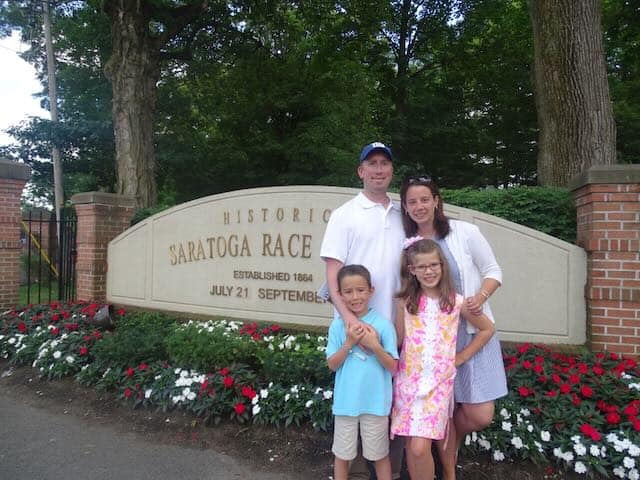
This post begins a week long series about my family’s trip to Saratoga Springs, New York.

Most people probably recognize Saratoga Springs as the center of the horse racing world. Indeed, the horses take to the track every July, August, and September. Checking out the races was the catalyst for planning a recent trip to the area. However, while researching, I quickly discovered there is a lot more to do than just go to the race track; so much to do that we couldn’t cover it all in one trip. Each day, I’ll share some personal highlights from our adventures.  

Whenever I plan a trip, one of my first points of research is to check my National Parks map to see if any spots are located on our route.  Sure enough, driving to Saratoga Racetrack we passed Saratoga National Historical Park, with five different stops. It was a rainy, dreary morning so we could not take full advantage of the park, but we still learned a lot about the Revolutionary War:
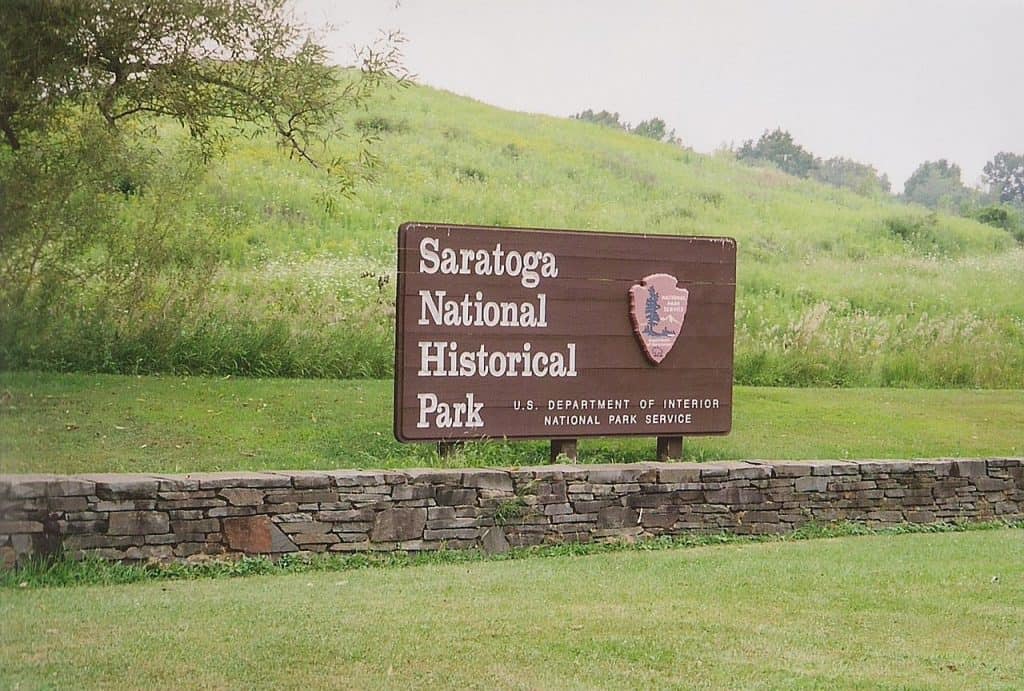
Saratoga Battlefield Visitor Center: The grounds are beautiful and would have been fun to explore had it not been raining hard when we visited. We opted to spend an hour inside learning about the two battles in the fall of 1777, during the Revolutionary War. Those battle are considered the turning point of the war because they were the first times that a British army surrendered to the United States. See if you children can “I Spy”:

  • A tent to reenact sleeping on the battlefield (little ones will love “hiding” from their parents)
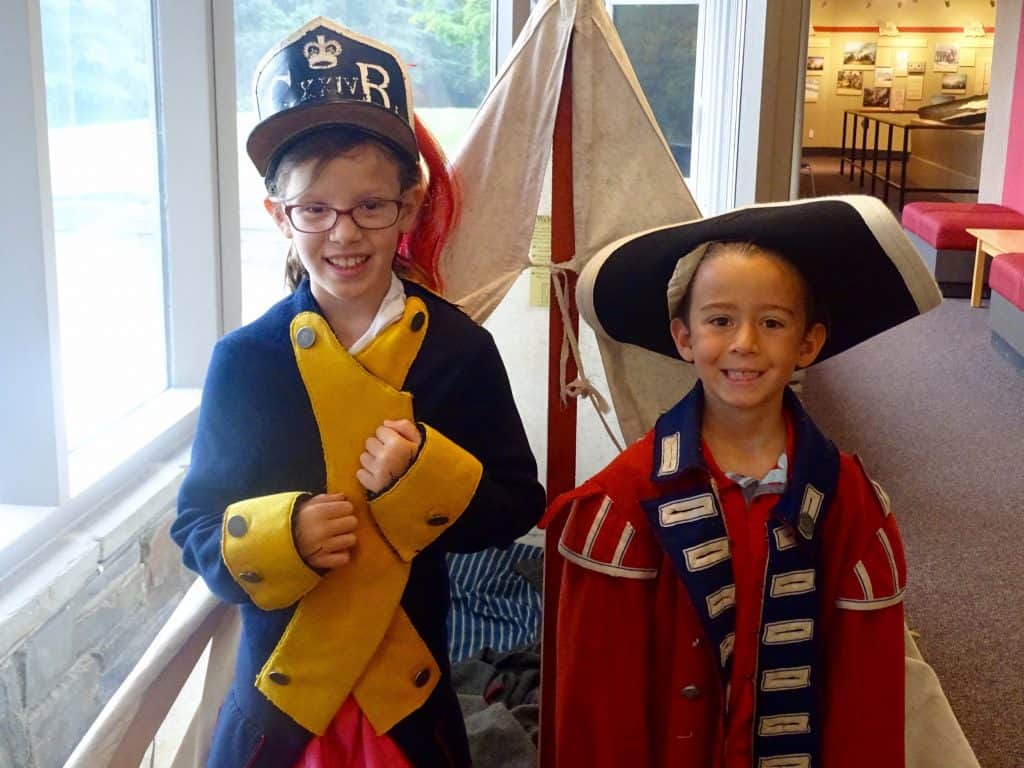
  • A costume area to dress up as either an American or British soldier
  • A huge chalkboard to keep children entertained while adults read more about the battles
  • A pair of silver cufflinks belonging to General John Burgoyne (my daughter loves anything flashy and sparkly)
  • Weapons of War: a big display of authentic muskets, cannonballs, pistols, and spoontoons.
  • A twenty minute film that explains the history of the battles, including film footage shot right on site in 2002.
Would you like to save this?

We'll email this post to you, so you can come back to it later.

Don’t forget to collect four stamps for your passport at the Visitor’s Center.

Saratoga Tour Road: You can drive the 10 mile paved driving tour road that goes through the camp and battle locations.

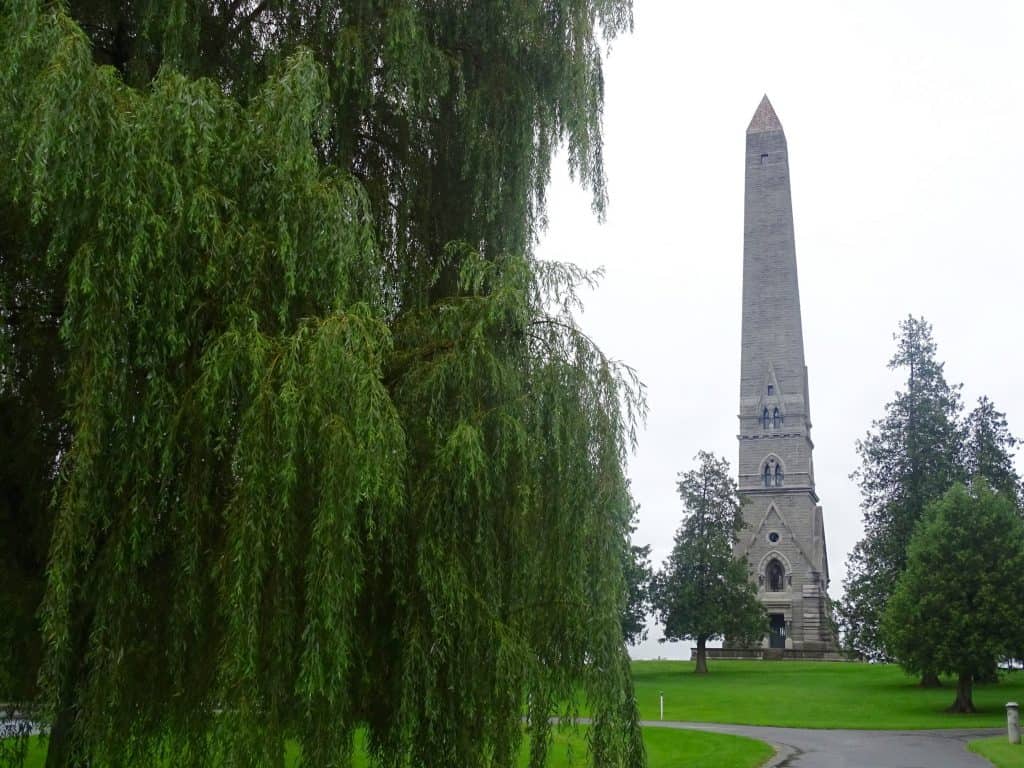
Saratoga Monument: It’s only open on the weekend (we were passing through on a Tuesday) so we could not climb the 188 steps to the top of the 155 foot granite monument. However, it looked like a beautiful property with a hill kids where could burn a lot of energy and spots to picnic. It’s a short, five minute drive from the battlefield, in the middle of a residential neighborhood. As we were driving through town, we also passed Schuyler Corn Maze and Farm which looked like it would be a lot of fun come fall.
Victory Woods: A four mile hiking trail that goes through most of the sites where the battles occurred. You can park at the monument parking lot and follow the white trail markers on the dirt road by the cemetery.

Schulyer House: The restored home of American General Schuyler, dating back to 1777. It’s about a mile from the monument  and again, only open on the weekend, so we could not explore it ourselves.

A quick glance at their 2017 calendar shows a variety of activities from Frost Faires in the winter to Junior Ranger days in the spring to evening bike tours and music series in the summer to candlelit tours in the fall. I wished we lived closer! 

Similar Posts

  • | | |

    Eight Tips for Touring Sports Venues with Kids

    Last week, we shared our tips for taking kids to a baseball park (for a game and/or a tour) and while we were writing the post, we realized we had tips for touring LOTS of athletic spots. We’ve toured many other sports venues like football stadiums, halls of fame,  and even race tracks.  Sports venues are an easy opportunity for the entire family (from toddlers to grandparents!) to have fun and learn a lot about the history of the team and sport and the hometown. So this week on the blog, we’re sharing some of our favorite memories of sports venues and tips for getting the most out of a visit.

  • | |

    13 Restaurant Recommendations in Woodstock, Vermont

    We recently spent a long weekend in Woodstock, Vermont and enjoyed so many family friendly activities and attractions: everything from hiking to museums to plenty of good meals. You can read our full City Guide to Woodstock here; it includes other nearby Vermont villages and the town of Hanover, New Hampshire (home to Dartmouth College and just over the border from Woodstock).  This week we thought we’d share 10 great spots for a meal, drink, or snack in the greater Woodstock area.  Disclaimer: Some restaurants had restricted hours due to pandemic restrictions and time of year when we visited in February of 2022. It’s always best to check a business’s website and give them a call to confirm before heading out to explore.

  • | | | |

    Playing “I Spy” at the Yale University Art Museums in New Haven, CT

    The city of New Haven, Connecticut is most notably home to Ivy league Yale University, and Yale University (amongst other things) is home to two exceptional art museums, both free and open to the public year round. The Yale University Art Gallery (YUAG), founded in 1832, features nearly 300,000 objects in its collection. The YUAG is the oldest university art museum in America and includes plenty of classrooms, workshops, and opportunities for the public to both visit and study at the museum. The Yale Center for British Art  (YCBA) (located directly across the street) is the largest museum, located outside the United Kingdom, dedicated to British art, with over 20,000 drawings, 2,000 paintings, 250 sculptures, and 40,000 volumes in the museum’s research library. The museum opened to the public in 1977 and features four floors of permanent and rotating exhibits.

  • | | |

    Playing “I Spy” at the Flagler Museum on Palm Beach Island, Florida

    We recently spent time exploring St. Augustine Florida, a city that Henry Flagler basically built after the start of his 1912 Florida East Coast Railway and subsequent hotels, hospitals, schools, churches, and farms. (Read more about our adventures in St. Augustine in these posts. So, it was fitting when we also traveled to the West Palm Beach area of Florida in the same trip, we spent the morning at Flagler’s “winter cottage”

    Henry Flagler was successful in the grain and salt mining industries before he helped to found the Standard Oil Company with John D. Rockefeller and Samuel Andrews in 1867.  When he married his third wife, Mary Lily Flager, in August 1901, he promised her a “waterfront winter cottage” and had “Whitehall”, as it was named, built in a record 18 months. The Flaglers spent approximately two months there each year until Flagler’s death in 1913. 

  • | | | | | | |

    City Guide: Eight FREE Things to Do in Durham, North Carolina

    On a recent road trip, we enjoyed a weekend exploring Durham, North Carolina. The “City of Medicine” of almost 300,000 people is known for being the home of Duke University and home of what was once the world’s largest tobacco company (W. Dukes and Sons). Formerly known as the “Bull City” because of the Bull Durham brand of the Blackwell Tobacco Company (which became the American Tobacco Company) that used a bull as its logo, Durham is located in the central part of North Carolina and is less than 30 minutes from the popular Chapel Hill area and the state Capitol of Raleigh. There are dozens of family friendly museums, attractions, outdoor activities to enjoy throughout Durham; this list is just a small gathering of some activities we enjoyed, all FREE all year!